 Skip to content

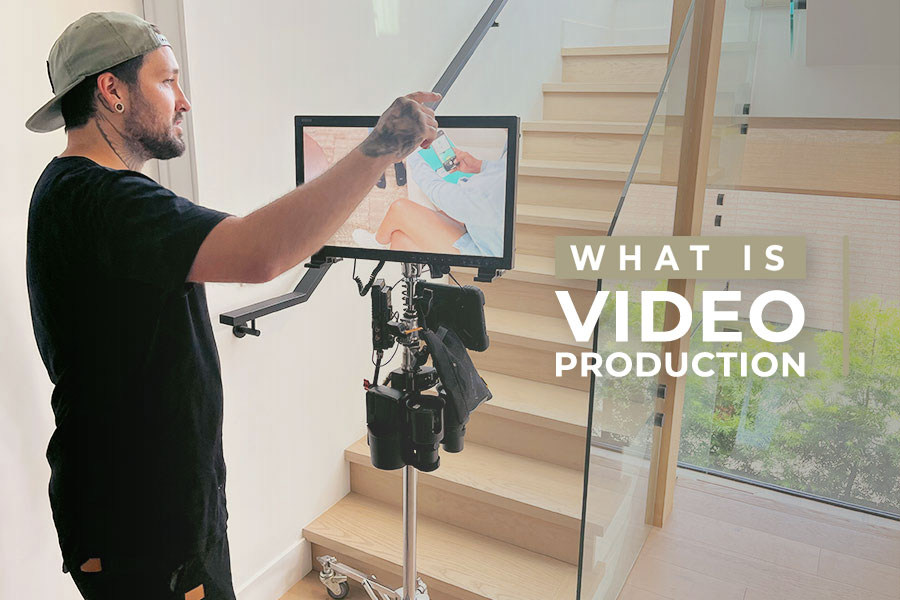

In today’s fast-paced digital world, video has emerged as one of the most powerful forms of communication. Whether it’s a brand promoting its products, a teacher delivering lessons, or a filmmaker telling a story, video has the ability to captivate, educate, and inspire like no other medium. This widespread impact is why video production has become a cornerstone of modern content strategies across industries.

Understanding What Video Production Is
Video production is much more than simply pressing a record on a camera. It’s a strategic, creative, and technical process that transforms ideas into powerful visual stories. This section explores the fundamentals of video production, its growing role in media, and the vast landscape of the industry it fuels. By understanding what video production truly involves, you gain a clearer picture of how impactful, purposeful video content is created from the ground up.
What Is Video Production?
Video production is the complete process of video creation—from concept development through to final delivery. It involves multiple phases: pre-production (planning and scripting), production (filming and capturing visuals), and post-production (editing and finalizing the content). Each stage plays a crucial role in shaping the narrative, tone, and quality of the finished video. Whether it’s a 15-second ad or a full-length documentary, every video project follows this structured workflow. The goal is to take an initial idea or message and develop it into a visually compelling and engaging piece that connects with its intended audience.
Importance of Video in Modern Media
Video has become the dominant form of content in the digital era. With the rise of platforms like YouTube, Instagram, TikTok, and streaming services, audiences now expect high-quality, engaging visual content. Businesses use video for marketing, brand storytelling, and customer engagement.
Educators rely on video for online learning, while internal corporate teams create training videos to streamline onboarding and skill development. In entertainment, video continues to evolve with cinematic storytelling and immersive virtual experiences. Across all industries, video offers a dynamic and emotionally resonant way to deliver information, making it a critical tool in both communication and content strategies.
Scope of the Video Production Industry
The video production industry is vast, diverse, and constantly evolving. It includes everything from large-scale film studios and advertising agencies to freelance videographers and independent creators. In the corporate world, video production supports internal training, investor communications, and brand awareness.
In entertainment, it powers film, television, music videos, and online streaming content. The rise of social media has also expanded the industry to include influencers and content creators producing short-form and real-time videos. Educational institutions, nonprofit organizations, and government sectors all leverage video to share knowledge and connect with audiences. As demand grows, so too does the need for skilled professionals and innovative production services that can deliver high-quality video content across platforms.

The Video Production Process Explained
Creating a compelling video requires more than just creativity—it demands a structured process that ensures clarity, quality, and purpose. The video production process can be divided into three distinct, non-overlapping phases: pre-production, production, and post-production.
Pre-Production Phase
Pre-production is the foundational stage where all the planning happens before the cameras start rolling. It’s during this phase that the video begins to take shape creatively and logistically. This includes developing the concept, writing the script, storyboarding, organizing resources, and scheduling the shoot. A well-executed pre-production phase helps reduce errors and unexpected challenges during filming, saving both time and money.
Concept Development
Every successful video starts with a clear concept. This is the process of turning a raw idea into a structured visual narrative. The team defines the core message, audience, and tone, laying the creative groundwork for the entire project.

Scriptwriting and Storyboarding
Once the concept is locked in, the script is written to detail dialogue, narration, and visual cues. A storyboard then visually maps out the scenes, providing a shot-by-shot preview of how the story will unfold on screen.
Logistics and Scheduling
This step ensures everything is in place for production. It includes booking locations, assembling the crew, securing equipment, obtaining permits, and creating a detailed shoot schedule to keep the project on track.
Production Phase
The production phase is where the actual video making takes place. This is the execution stage, where all planning from pre-production is brought to life. The director, cinematographer, and crew work together to capture the footage needed to tell the story.
On-Set Roles and Equipment
A video shoot involves many professionals, including the director, camera operators, lighting technicians, and sound engineers. Each plays a critical role in ensuring the footage aligns with the creative vision. High-quality cameras, lighting kits, microphones, and monitors are used to capture clean visuals and crisp sound.
Lighting, Sound, and Direction
Lighting sets the mood and highlights subjects effectively, while sound ensures dialogue and ambient audio are clear. Direction involves guiding talent and crew to achieve the desired shots and emotions, maintaining consistency with the storyboard and script.
Post-Production Phase
Once filming wraps, the post-production phase begins. This is where raw footage is transformed into a polished production video through editing, sound mixing, and visual enhancement. This phase is critical for storytelling, pacing, and emotional impact.
Editing and Color Grading
Editors assemble the best takes, trim unnecessary footage, and create a seamless flow. Color grading is then applied to give the video a consistent and professional look, adjusting tones to match the intended mood and brand identity.
Sound Design and Music
Audio is fine-tuned to match the visuals. This includes syncing dialogue, adding music, inserting voiceovers, and layering sound effects to enhance realism and immersion.
Review, Feedback, and Delivery
The nearly-final video is reviewed internally and by the client for approval. Any revisions are made before the video is exported in the required formats for platforms like websites, social media, or TV. The project is then delivered, ready to engage its target audience.


Types of Video Content Production
The video production industry encompasses a wide variety of formats, each designed to serve specific purposes and reach different audiences. As video becomes an essential part of communication strategies across businesses, brands, and platforms, understanding the various types of video content production helps creators and companies tailor their approach for maximum impact. From corporate training to viral social media clips, each type of video serves a unique function and requires a slightly different production approach.
Corporate Videos
Corporate videos are designed to communicate internally within a business or externally to stakeholders. These videos are commonly used for employee onboarding, training, internal communications, recruitment, and company announcements. Their goal is to convey information clearly and professionally while maintaining the organization’s brand voice. In industries where compliance, education, or cultural alignment is essential, corporate video production plays a vital role. These videos are typically structured, informative, and filmed in office environments or professional settings to reflect the company’s tone and credibility.
Marketing and Promotional Videos
Marketing videos are all about driving awareness, engagement, and conversion. Whether it’s a product launch, brand story, customer testimonial, or an explainer video, these productions aim to connect emotionally with audiences and persuade them to take action.
Promotional videos often appear on websites, landing pages, and advertisements across digital platforms. They are strategically crafted using storytelling techniques, strong calls to action, and polished visuals to capture attention quickly. The emphasis is on showcasing value, solving a problem, or demonstrating benefits in a compelling and memorable way.
Social Media and Short-Form Videos
Short-form videos have exploded in popularity thanks to platforms like TikTok, Instagram Reels, Facebook Stories, and YouTube Shorts. These videos are typically under a minute long and optimized for mobile viewing. They thrive on trends, creativity, and shareability, making them ideal for reaching younger, digital-native audiences. The production approach focuses on speed, visual appeal, and punchy messaging. Unlike longer content formats, these videos rely heavily on hooks in the first few seconds, engaging visuals, and a clear point or takeaway—whether it’s entertainment, information, or a brand impression.
Event Coverage and Live Streaming
Event videos capture the excitement and essence of real-time experiences, such as conferences, product launches, webinars, and performances. These videos may be streamed live or edited into highlight reels and recap content. They serve both promotional and archival purposes, allowing those who couldn’t attend to experience the event virtually. Live streaming adds an element of immediacy and interactivity, while recorded event coverage ensures longevity and future usability. This type of video creation requires skilled coordination and technical setup to manage audio, lighting, camera switching, and live audience engagement.

Choosing the Right Video Production Company
Hiring the right video production company is a critical step in ensuring your video project achieves its intended goals—whether that’s driving brand awareness, educating an audience, or telling a compelling story. With so many production services available today, it’s essential to choose a partner that aligns with your vision, budget, and expectations. A great video production team doesn’t just bring technical skills to the table—they also contribute creative insight, project management, and a collaborative approach that brings your concept to life with clarity and impact.
Expertise and Portfolio
One of the first things to consider when evaluating a video production company is their experience and body of work. A strong portfolio will showcase a range of styles and industries, demonstrating their adaptability and creative range. Look for examples that reflect the type of video you want to create—be it corporate, promotional, social media content, or documentary-style storytelling. The quality of previous work will reveal their technical skill in areas like cinematography, editing, and storytelling. It’s also worth checking client testimonials or case studies that speak to their professionalism and ability to meet goals.
Production Capabilities
Beyond creativity, a professional video production service should have the resources to execute your vision effectively. This includes having access to high-quality equipment (cameras, lighting, sound gear), a skilled crew, and expertise in both on-location and studio shoots. The best companies also offer a full range of services—from pre-production planning to post-production editing and final delivery. Understanding the scope of their capabilities helps ensure they can handle the complexity and scale of your project without compromising quality or deadlines.
Communication and Collaboration
Video production is a highly collaborative process, and successful projects rely on clear, ongoing communication between client and producer. Look for a company that listens to your goals, offers thoughtful input, and keeps you informed throughout the process. From the first discovery meeting to final revisions, the company should act as a creative partner—not just a service provider. A transparent, responsive, and communicative team makes the experience smoother and increases the likelihood of a successful outcome.
Conclusion
Video production is a powerful blend of strategy, creativity, and technical execution that goes far beyond simply pointing a camera and hitting “record.” It’s a multi-phase process that brings ideas to life—from concept development and meticulous planning to professional filming and polished post-production. In an age where attention is short and visual content dominates, understanding how videos are crafted is essential for anyone aiming to connect with an audience—whether for business, education, marketing, or entertainment.
By breaking down the video production process into its core phases—pre-production, production, and post-production—you gain a clearer roadmap for how compelling content is made. Each phase plays a vital role in shaping the final output, ensuring that the message is delivered with clarity, emotion, and impact. Whether you’re collaborating with a video production company or exploring your own path in video making, having this foundational knowledge sets you up for success in today’s content-driven world.
Frequently Asked Questions
What does a video production company do?
A video production company handles the end-to-end process of creating professional video content. This includes concept development, scripting, filming, editing, and final delivery. They offer expertise in both creative storytelling and technical execution to ensure your video aligns with your goals—whether it’s for marketing, internal communication, or entertainment.
How long does the video production process take?
The timeline depends on the scope and complexity of the project. A simple social media video might take a few days, while a corporate explainer or branded commercial could take several weeks or more. Each phase—pre-production, production, and post-production—requires time for planning, execution, and refinement.
What types of businesses need video production services?
Virtually all businesses can benefit from video content production—from startups and small businesses to large corporations and non-profits. Whether it’s for product promotion, brand storytelling, employee training, or customer engagement, video is a highly effective communication tool across industries.
How do I choose the right video production company?
Look for a company with a strong portfolio, technical expertise, creative vision, and clear communication practices. It’s important to choose a team that understands your goals, works within your budget, and collaborates with you at every stage of production.